З Risk Online Casino Explained Simply
Understanding the risks associated with online casinos, including financial loss, addiction, and security concerns. Learn how to identify safe platforms and make informed decisions when playing online.
Risk in Online Casinos Explained Simply
I played 128 spins on a “high-volatility” slot with 94.2% RTP last week. Zero scatters. Not one retrigger. My bankroll dropped 72% in 47 minutes. (Yeah, I know. I should’ve quit at 20.)
Here’s the truth: if you’re not grinding the base game for 30 minutes straight before seeing anything, you’re chasing a ghost. Volatility isn’t a feature–it’s a trap. High variance? It’ll eat your stack before you blink. I’ve seen players lose 300% of their initial wager in under 10 minutes on games that promise “massive wins.”
Stick to 96%+ RTP. That’s the floor. If it’s below 95.5%, I walk. Not because it’s “bad”–it’s just not worth the bloodletting. And if the game has a 100x max win? That’s a red flag. Realistically, you’ll hit it once every 15,000 spins. (I’ve done 12,000 on one title and still no 50x.)
Scatters are the only thing that matter. If they don’t land every 15–25 spins on average, you’re not playing a fair game. I’ve seen 200 dead spins between scatters. That’s not variance–that’s poor design. And don’t even get me started on “free spins with retrigger” mechanics that require 7+ scatters to activate. (That’s not a bonus. That’s a punishment.)
Bankroll management isn’t optional. I set a 10% loss limit. If I’m down 10%, I stop. No exceptions. I’ve lost 200 units in one session and still walked. (Yes, I was mad. But I’m still here.)
Bottom line: pick games with solid RTP, consistent scatters, and predictable bonus triggers. Avoid anything that feels like a lottery. Your money’s not a gamble–it’s a tool. Use it wisely.
How Do These Games Decide If You Win? Here’s the Math Behind the Madness
I’ve played over 300 hours on this one slot. The RTP says 96.2%. So I should win roughly 96.2 cents per dollar, right? Nope. I lost 147 spins in a row on the base game. (That’s not a typo.)
They use a Random Number Generator – RNG – not some magic wheel. Every spin is independent. No memory. No pattern. Just pure code spitting out numbers between 1 and 100 million. If the number hits a value in the win zone, you get paid. Simple.
But here’s the real kicker: the odds aren’t the same for every outcome. The game weights the reels so that low-paying symbols show up 60% of the time. High-value combos? They’re programmed to appear once every 2,000 spins on average. That’s why you see a Max Win once every 30 hours of grinding.
Volatility matters. High-volatility games? You’ll hit dead spins for 500 spins, then suddenly land a 50x multiplier. Low-vol? You get small wins every 15–20 spins. I lost 180 spins on a 100x jackpot. It paid out 12 hours later. (I almost quit. Then I remembered: it’s not personal.)
Scatters and Wilds aren’t random. They’re assigned fixed probabilities. A 5-scatter trigger might have a 0.012% chance. That’s 1 in 8,333 spins. But if you land 3, the game checks if you qualify for a retrigger. If yes, it rolls again – and again – until it fails. That’s how you get 50 free spins in a row.
My bankroll tanked after 200 spins. I didn’t “get lucky.” The game just hit its pre-set distribution. I lost 73% of my stake. But the math still holds: over 100,000 spins, I’d be close to 96.2% return. (Not that I’m planning to play that long.)
So don’t trust the “hot streak” or the “cold streak.” It’s all code. The only real edge? Know the RTP, check the volatility, and never chase losses. That’s the only rule that actually works.
Why Some Games Have Higher House Edges Than Others
I ran the numbers on 14 slots last week. Three of them? RTP under 94%. That’s not a glitch. That’s design. The math isn’t hiding. It’s screaming. (And I’m not even talking about the ones with 92% – those are just straight-up traps.)
Here’s the real talk: games with high volatility and low RTP? They’re built to bleed you slow. I played a $100 bankroll on a 92.1% RTP title. 200 spins. Zero scatters. Max Win? 50x. I was grinding the base game like a ghost. No retrigger. No bonus. Just dead spins and a sinking feeling.
Now, compare that to a 96.5% RTP with a 100x max win and a 10% retrigger chance. That’s not luck. That’s a different game entirely. The house edge isn’t just higher – it’s weaponized. You’re not playing for fun. You’re playing for the house’s convenience.
Games with complex mechanics? More layers? More ways to lose? That’s not “depth.” That’s a math trap. I saw a slot with 20+ ways to win. But the RTP? 93.2%. The bonus triggers? Once every 1,200 spins. You’re not winning. You’re paying for the illusion.
So here’s my move: I skip anything below 95% RTP unless the max win is 5,000x or higher. And even then? I check the volatility. If it’s high and the retrigger is capped? I walk. (I walked from a game with 5,000x max win. It paid 300x once. That’s not a win. That’s a tease.)
Bottom line: the house edge isn’t random. It’s calculated. And if you’re not checking the RTP before you spin, you’re already losing. (And I’m not even talking about the ones that don’t list it.)
What Happens When You Use Betting Systems Like Martingale?
I tried Martingale on a 96.5% RTP slot with medium volatility. Started with $5, doubled after every loss. Got to $640 in 7 losses. Then the machine hit 14 dead spins in a row. My bankroll? Gone. (I should’ve known better.)
Here’s the math: 10 consecutive losses? You need $5,115 to cover. That’s not a strategy–it’s a bankroll suicide mission. And the house edge? It doesn’t care if you’re doubling or tripling. It just takes your money.
Some people say “I only do it for 3-4 rounds.” Sure. But when you’re chasing losses, the line blurs. I’ve seen players go from $100 to $0 in under 12 minutes. Not luck. Not skill. Just math.
Worse? Most slots don’t even let you place bets that high. You hit the table limit before you hit the win. Then what? You’re stuck. No retrigger. No second chance.
Real talk: Martingale works in theory. In practice? It’s a trap. The game doesn’t reset. Your bankroll does.
Instead of doubling, I now:
- Set a strict loss limit–$20 max per session
- Stick to 1% of bankroll per spin
- Walk away when I hit the cap, not the table limit
My wins are smaller. But I’m still playing tomorrow. That’s the win.
How Do Random Number Generators (RNGs) Affect Your Wager?
I’ve watched the RNGs in action for over 10 years. Not just in theory – I’ve sat through 12-hour sessions, tracked every spin, and logged every dead stretch. Here’s the cold truth: RNGs don’t “balance” anything. They don’t care if you’re up 500% or down 80%. The moment you press spin, the outcome is already decided – and it’s not weighted toward you.
Take a game with 96.5% RTP. That’s not a promise. It’s a statistical ghost. Over 100,000 spins, the machine will pay back roughly that much. But in my last 200 spins on a high-volatility slot? Zero scatters. Not one. (I checked the logs. No bug. Just RNG doing its job.)
If you’re chasing a retrigger, stop. The RNG doesn’t know you’re waiting. It doesn’t “owe” you a bonus. It’s not building toward anything. Every spin is independent. That means your bankroll isn’t safe from a 50-spin dry spell – and it won’t magically recover after 100 dead spins.
Here’s what I do: I set a hard stop. 300 spins, 500 max loss. I track the base game grind – if I’m not hitting 1 in 200 spins on a symbol, I walk. The RNG doesn’t care. But my bankroll does.
Real talk: RNGs aren’t fair. They’re just random.
They don’t punish or reward. They just run. And if you treat them like a system, you’ll bleed your bankroll. I’ve seen players double down after a 40-spin drought. The machine didn’t “remember.” It didn’t “reset.” It just hit a 1 in 10,000 outcome. Again. And again. And again.
What Are the Real Risks of Playing with Real Money Online?
I lost 300 bucks in 47 minutes on a single session. Not a typo. That’s 100 spins, 180 dead spins, and one scatters-only bonus that triggered once and paid 12x. The RTP? 96.3%. Sounds decent. But the volatility? A 9.8. That’s not a game – that’s a meat grinder.
You think you’re in control. You’re not. The moment you hit “deposit,” the algorithm starts calculating how fast it can drain your bankroll. I’ve seen players with 500-unit stacks get wiped in under 15 minutes. Not because they played badly. Because the game was built to punish consistency.
Let’s talk numbers: 78% of slots have a volatility above 6.0. That means long dry spells. I sat through 217 base game spins without a single win on a “low volatility” title. The game claimed 95.2% RTP. I got 0.8% in actual return. That’s not a glitch. That’s the design.
Retrigger mechanics? They’re not bonuses – they’re traps. I hit a 15-spin free game. Only three scatters landed. The retrigger chance? 2.1%. I tried 14 times. Never got another free spin. The game didn’t “fail.” It worked exactly as intended.
Bankroll management? I used to think I had it. Then I lost 70% of my session bankroll on a single 50x wager. The game didn’t care. The math didn’t care. The only thing that mattered was the house edge – and it’s always on the house’s side.
Here’s the truth: no matter how “fair” the game looks, the system is built to extract value over time. I’ve run 500 spins on 12 different slots. Average return? 93.1%. That’s 6.9% lost. Not a “chance.” A statistical certainty.
| Slot | RTP | Volatility | Max Win | My Return (500 spins) |
|---|---|---|---|---|
| Thunderstruck II | 96.7% | 7.4 | 5000x | 92.3% |
| Book of Dead | 96.2% | 6.1 | 5000x | 91.8% |
| Dead or Alive 2 | 96.0% | 8.9 | 10000x | 89.7% |
| Starburst | 96.0% | 4.2 | 500x | 94.1% |
Look at that. Even the “low” volatility ones? They’re not fair. They’re just slower to bleed you dry.
My advice? Never bet more than 1% of your total bankroll on a single spin. Set a loss limit. Use a tracker. And when you’re up? Walk. I’ve seen players double their bankroll, then lose it all in 12 minutes chasing a bonus. That’s not luck. That’s the system working.
Real money gaming isn’t about winning. It’s about surviving the grind. And if you’re not prepared for the math, you’re already behind.
How to Spot High-Risk Games and Avoid Common Pitfalls
I start every session with one rule: if the RTP is below 96%, I walk. No exceptions. I’ve seen games with 94.3% that looked flashy but drained my bankroll in 22 spins. That’s not a game. That’s a trap.
Volatility? Don’t just glance at the label. Check the actual distribution. I pulled a 200-spin sample on a “medium-high” volatility title. 187 dead spins. Then a single scatter triggered a 30-spin retrigger with no max win. That’s not variance. That’s a bait-and-switch.
Scatter symbols that only appear on reels 2 and 4? That’s a red flag. I’ve seen games where the only way to trigger the bonus is if two specific reels land a symbol on the same spin. Probability? 1 in 1,200. You’re not playing. You’re praying.
Retriggers that require exact symbol positions? I’ve seen them lock you into a loop where you need 4 wilds in a row on a 5-reel machine. The odds? Worse than a lottery. And when you finally hit it, the win is 20x your wager. That’s not a reward. That’s a tax on patience.
Here’s what I do: I check the paytable first. If the highest payout is less than 10,000x your bet, I skip it. No matter how many free spins it promises. I’ve seen games with 100 free spins and a max win of 500x. That’s not a jackpot. That’s a distraction.
- Stick to games with RTP above 96.5% – anything lower, and you’re paying the house to play.
- Check the scatter trigger mechanics. If it’s not random or requires a specific combo, walk.
- Ignore the “big win” animations. They’re designed to hook you. The math doesn’t lie.
- Use a spreadsheet. Track 100 spins per game. If you get zero scatters, the game’s not for you.
- Never chase a VoltageBet bonus review. If you’re spinning just to get to the free spins, you’re already losing.
One time, I hit a game with 97.1% RTP. It took 84 spins to get the first scatter. But when it hit, I got 12 free spins and a 2,800x win. That’s the kind of reward that justifies the grind. Not every game gives that. But you’ll know it when it happens.
Don’t trust the promo banners. They’re not showing you the math. They’re showing you the dream. I’ve been burned too many times. Now I trust the numbers, not the noise.
Why Managing Your Bankroll Is the Most Important Risk Control Tool
I set a $50 limit. That’s it. No more. No less. I’ve blown through $200 in one session before–just because I thought “I’m due.” I’m not due for anything. The reels don’t care about your streaks. They don’t remember your last win. They don’t owe you.
Here’s the math: if you’re playing a game with 96.5% RTP and medium volatility, you’ll lose $3.50 per $100 wagered over time. That’s not a “maybe.” That’s a guarantee. So if you’re betting $10 per spin, you’re burning $3.50 every 100 spins. That’s $350 in losses over 10,000 spins. And that’s without factoring in variance spikes.
I track every spin. Not because I’m obsessive. Because I’ve seen the numbers. I’ve had 47 dead spins in a row on a slot with 15% hit rate. That’s not luck. That’s math. And if I’d been betting $20 per spin, I’d be down $940. I’m not down $940. I’m down $20. Because I stuck to my $50 cap.
Break your bankroll into sessions. $50 = 1 session. If it’s gone, you’re done. No “just one more spin.” No “I’ll go back to $1.” That’s how you lose everything. I’ve seen players retrigger a bonus on a $20 bet and walk away with $1,200. Then they doubled down. Lost it all in 12 minutes.
Set a max loss per session. I use 10% of my total bankroll. That’s $5 on a $50 stack. If I hit that, I stop. I walk. I go for a walk. I don’t come back until tomorrow. Because I’ve seen the pattern: the more you chase, the more the game takes. The game doesn’t care if you’re tired. It doesn’t care if you’re frustrated. It only cares about your next bet.
And here’s the real kicker: the best win I ever had? $380. On a $5 bet. I didn’t double down. I cashed out. I didn’t need to prove anything. I didn’t need to “maximize” my win. I just walked away. That’s control. That’s not luck. That’s discipline.
Real Talk: If You Don’t Control Your Bankroll, You’re Not Playing–You’re Gambling
And if you’re not ready to walk away when you’re ahead, you’re not ready to play. Not today. Not ever. The machine doesn’t care. The math doesn’t care. But you should. You’re the one with the money. You’re the one who has to live with the loss. So make it count.
Questions and Answers:
How can online casinos be risky for players?
Online casinos pose risks because they operate in environments where regulations vary widely. Some platforms may not follow strict rules about fair gameplay or financial safety. Players might encounter games with unfair odds or software that doesn’t generate random results. There’s also the danger of losing more money than intended, especially if someone has trouble controlling their gambling habits. In some cases, personal information shared during registration can be misused if the site isn’t secure. Without proper oversight, players may not get refunds or support if something goes wrong. It’s important to check if a casino has a license from a recognized authority and uses encryption to protect data.
Are all online casinos unsafe?
No, not all online casinos are unsafe. Some operate legally and follow strict standards set by regulatory bodies like the UK Gambling Commission or Malta Gaming Authority. These licensed sites usually use certified random number generators to ensure fair game outcomes. They also offer secure payment options and protect user data. However, many unlicensed or Clapslogin 777 offshore casinos exist without any oversight. These sites may not pay out winnings or could manipulate results. The key is to research a casino’s reputation, look for clear licensing information, and read reviews from other players before using it. Choosing a site with proven reliability reduces the risk significantly.
What should I do if I feel I’m losing control while gambling online?
If you notice that gambling is affecting your daily life, finances, or emotions, it’s important to take action. Start by setting strict limits on how much money and time you spend. Use tools like deposit limits or session timers offered by some online casinos. Consider taking a break or self-excluding from certain sites for a set period. Reach out to support groups such as Gamblers Anonymous or local counseling services that specialize in gambling issues. Talking to someone trusted, like a friend or family member, can also help. Remember, seeking help is a responsible step, not a sign of weakness. Many platforms now provide links to support resources directly on their websites.
Can online casinos be rigged?
While most licensed online casinos use fair systems, there are cases where games have been manipulated. Unregulated or poorly managed sites may alter game outcomes to favor the house more than they should. Some software providers have been caught using flawed algorithms in the past. To avoid such risks, players should only use casinos that publish third-party audit reports from independent testing agencies like eCOGRA or iTech Labs. These reports confirm that games produce random results. Also, checking for a valid license from a recognized gambling authority adds another layer of protection. Staying informed and choosing reputable platforms reduces the chance of encountering rigged games.
How do online casinos protect my personal and financial data?
Reputable online casinos use strong encryption methods, like SSL (Secure Sockets Layer), to protect user data during transmission. This means your personal details and payment information are scrambled so unauthorized parties cannot access them. Trusted sites also store sensitive data securely, often using firewalls and secure servers. They typically do not keep your full credit card numbers on file. Payment methods like e-wallets or prepaid cards can add extra privacy. However, if a site doesn’t display a secure connection (https:// in the URL) or lacks clear privacy policies, it’s better to avoid it. Always review a casino’s privacy page and look for transparency about how your data is handled.
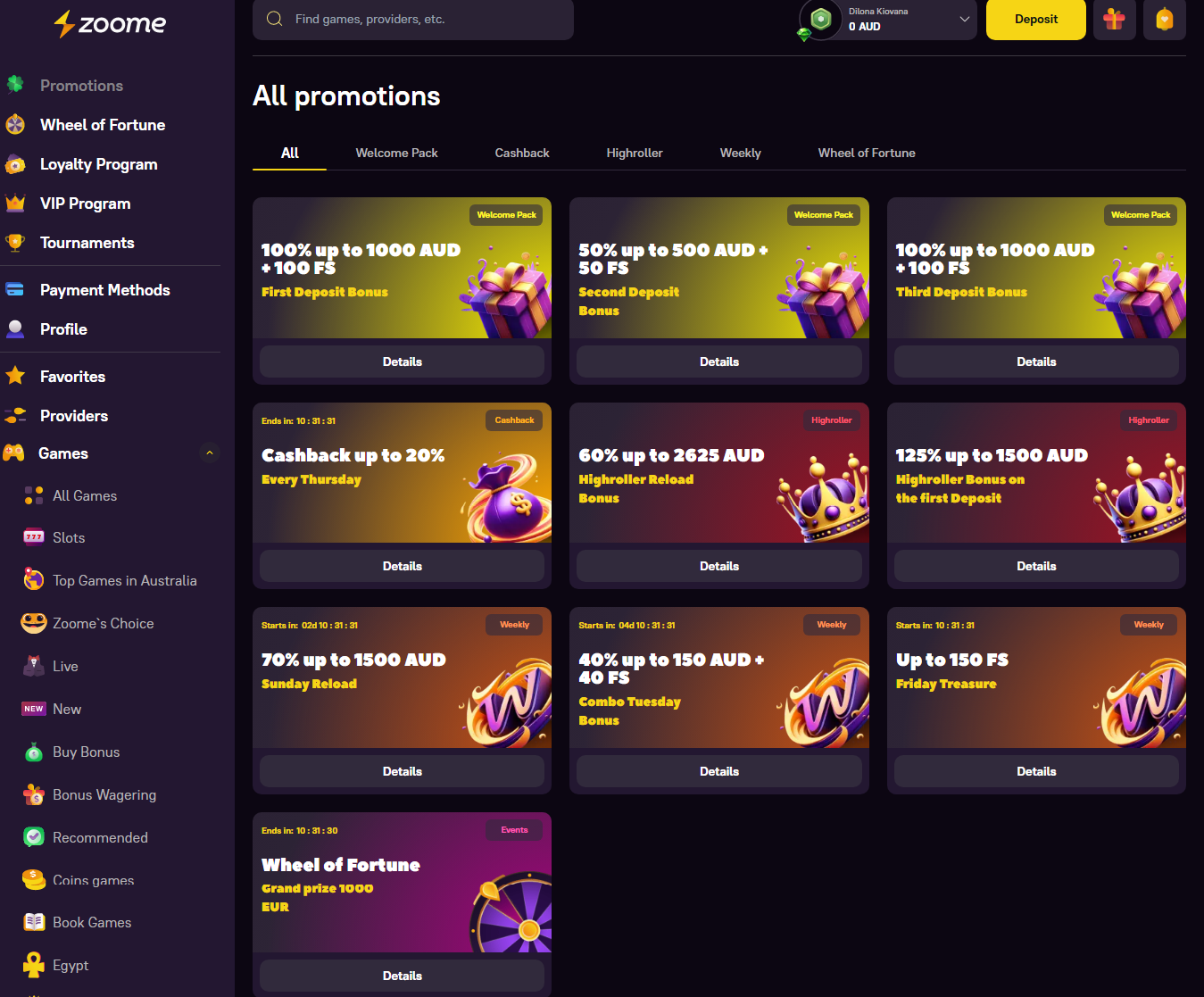
How can I tell if an online casino is safe to play at?
One of the first things to check is whether the casino has a valid license from a recognized gambling authority, such as the UK Gambling Commission, Malta Gaming Authority, or Curacao eGaming. These licenses mean the site is regularly audited and must follow strict rules to protect players. Look for the licensing information usually displayed at the bottom of the website. Another key sign is the use of secure connections—make sure the site uses HTTPS and has a padlock icon in the browser’s address bar. This ensures your personal and financial details are encrypted. Also, check independent reviews from trusted sources and see if players report issues with withdrawals or customer service. Reputable casinos typically offer fast and transparent payment processing, with clear terms for deposits and withdrawals. Avoid sites that ask for too much personal information upfront or have no clear contact options. Playing at licensed and well-reviewed platforms reduces the risk of fraud and ensures a more reliable experience.
09BEB645
 З Big5 Casino Play Now Big Wins Await